Medical Specialist for Lingual and Inferior Alveolar Nerve Injury
The specialist physician with an emphasis on lingual nerve injury is Dr. Thomas Marcolini, a neurosurgeon specializing in the treatment of pathologies and injuries affecting the peripheral nerves and brachial plexus, using minimally invasive techniques, combined with cutting-edge technology and humanized care.
Dr. Thomas Marcolini - Especialista Neurocirurgião para lesão de nervo lingual
Dr. Thomas Marcolini, a neurosurgeon specializing in lingual nerve injury, graduated in medicine from the Regional University Foundation of Blumenau, one of the leading medical universities in the country. He completed his Neurosurgery Residency at Mackenzie Hospital in Curitiba, where he was invited to become a preceptor in neurosurgery. At the end of this residency, he began a Peripheral Nerve Fellowship, dedicating himself exclusively to the area of Peripheral Nerve Surgery. In recognition of the excellent work he has been performing, Dr. Thomas currently works at the forefront of the Mackenzie Hospital as Coordinator of the Specialty focusing on Peripheral Nerves, Preceptor of the Neurosurgery Residency, and as a member of the neurosurgery clinical staff at N. Sra. do Pilar and N. Sra. das Graças Hospitals in Curitiba/PR. He is a full member of the Brazilian Society of Neurosurgery. He has lectured in several countries and is a national reference in the field of peripheral nerves.
O que é lesão de nervo lingual?
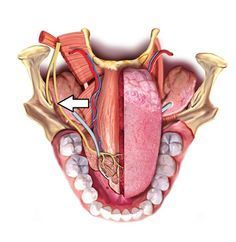
Lingual nerve injury commonly occurs during the dental procedure of wisdom tooth (third molar) extraction, where the lingual nerve is damaged.
Quais são os sintomas da lesão de nervo lingual?
The main symptoms of lingual nerve injury include:
- Anestesia prolongada, sentimento da língua inchada, formigamentos na língua/boca;
- Significant pain with shocks and stabbing sensations during and after the procedure;
- Diminuição da sensibilidade em metade da língua e gengiva local;
- Perda da gustação dos alimentos;
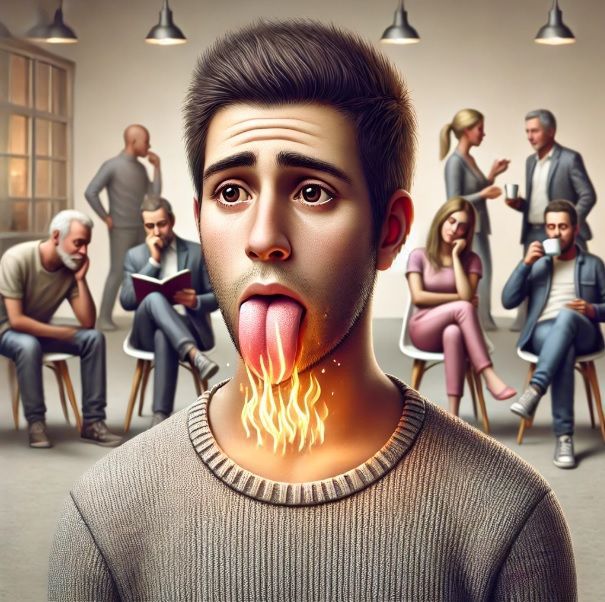
- Burning pain down half of the tongue where the nerve is damaged.
What are the causes of lingual nerve injury? Injury to the lingual nerve during wisdom tooth extraction.
The cause of lingual nerve injury is related to the procedure of removing the third molar (wisdom tooth). The injured patient may experience intense pain during or after the procedure, and this pain may persist for a long period.
How is a lingual nerve injury diagnosed?
O diagnóstico de lesão do nervo lingual é concluído pelo especialista com foco em nervos periféricos, Dr. Thomas Marcolini, após uma análise clínica minuciosa do exame físico e sintomas. Em casos necessários, o paciente deverá realizar alguns exames.
Tratamento para lesão de nervo lingual
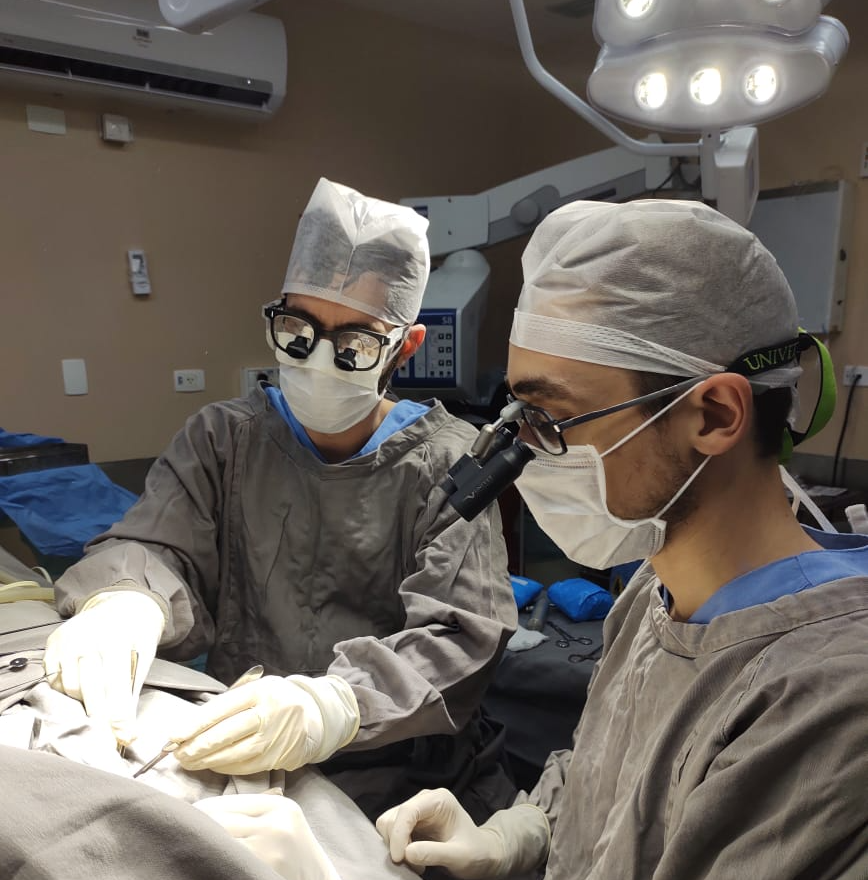
O tratamento para lesão de nervo lingual é realizado de acordo com o grau de complexidade e comprometimento da lesão a sua qualidade de vida. Em casos onde o paciente apresenta uma dor muito intensa, onde o paciente apresenta formação de neuroma, a cirurgia pode ser considerada. Trata-se de uma microcirurgia a qual é realizada com auxílio de um bucomaxilo. O procedimento visa melhorar a dor, formigamentos e sensibilidade.
O que oferecemos no tratamento para lesão de nervo lingual?
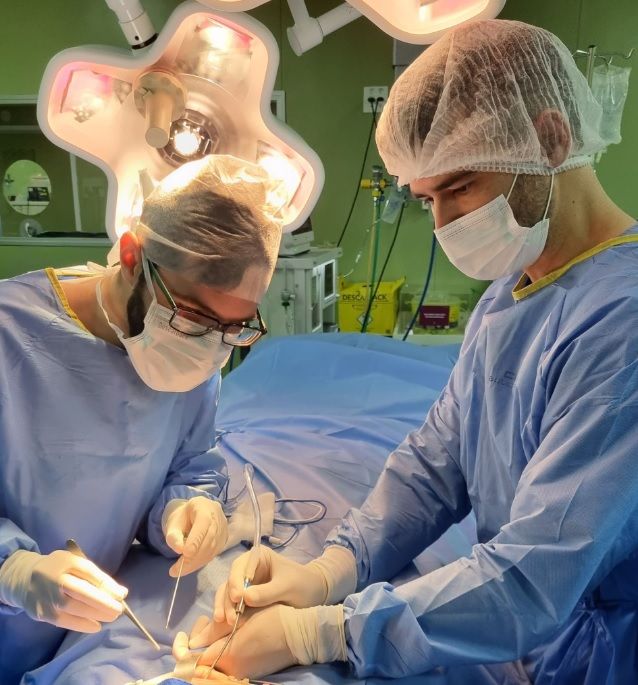
Peripheral nerve specialist Dr. Thomas Marcolini offers specialized treatment for lingual nerve injury through microsurgery. We understand the suffering this problem can cause, and attempts to alleviate the symptoms should be considered. The team combines professional expertise and cutting-edge technology to deliver precise and effective results.
"The most important thing is to offer you the quality of life you deserve. I hope this information has helped you in some way. We also hope to be able to help you through our medical services; feel welcome! If you have any questions or would like an evaluation, feel free to schedule an appointment with us." - Dr. Thomas Marcolini.
Exclusive dedication to peripheral nerve pathologies.
O neurocirurgião, Dr. Thomas Marcolini, possui uma ampla equipe de especialistas altamente qualificados, com dedicação exclusiva a patologias de nervos periféricos, que buscam restaurar a saúde e qualidade de vida dos pacientes, através de técnicas minimamente invasivas e atendimento humanizado.