Doctor specializing in Schwannomas and Peripheral Nerve Sheath Tumors in Brazil
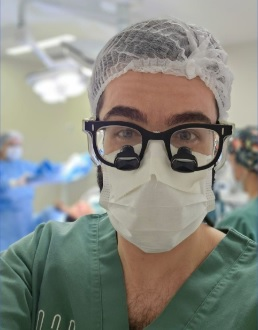
The specialist for Schwannoma and Peripheral Nerve Sheath Tumors in Brazil is Dr. Thomas Marcolini. He dedicates himself exclusively to the treatment of pathologies and lesions affecting the nerve and the peripheral nerve sheath.
Medical specialist Neurosurgeon with a focus on Schwannoma and Peripheral Nerve Tumors
Is your biggest fear upon discovering a nerve tumor the loss of movement?
Receiving a diagnosis of Schwannoma or Neurofibroma is frightening, I know. And it is precisely to protect your quality of life that I have dedicated my career exclusively to peripheral nerve microsurgery.
My daily focus is on taking care of the delicate "wiring" that makes your arms and legs function.
As a specialist in the field, practicing in Curitiba and São Paulo, I utilize the most modern techniques available worldwide—such as real-time neuromonitoring—to remove tumors with maximum surgical safety.
Meu objetivo é claro: retirar a lesão, preservar seus movimentos e devolver a sua paz.
CRM 33811 - RQE 26510.
Entenda no vídeo acima qual é o médico especialista para tumor da bainha do nervo. O cirurgião especialista para Schwannomas e Neurofibromas.
What are Schwannomas, or peripheral nerve sheath tumors?
Schwannomas, or peripheral nerve sheath tumors, are benign tumors. They may be asymptomatic and perceived as a palpable mass causing extreme discomfort and anxiety. In some cases, you may feel shock-like and burning pain, as well as loss of strength in the affected limb. Neurofibromatosis is a syndrome often associated with this type of lesion.
Tumores de Nervos Periféricos mais comuns
Os tumores de nervos periféricos mais comuns que afetam a saúde dos pacientes, possuem tratamentos que devem ser realizados da maneira correta,
visando manter a função motora e sensitiva mesmo na ressecção completa!
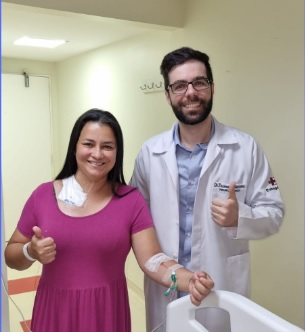
Schwannoma
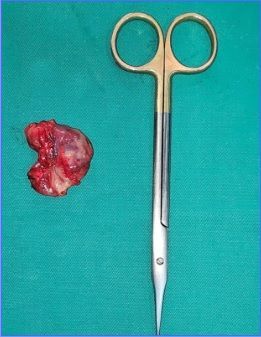
Schwannomas are benign tumors, usually solitary. Our team performs surgery in the safest way possible, as it is a non-invasive lesion; the focus is on preserving nerve function and your quality of life.
Neurofibroma
Neurofibroma is a benign tumor commonly found in patients with neurofibromatosis type 1 (NF1), a rare genetic disease. Generally, those with this type of tumor are adults and adolescents.
Perineuroma
A perineuroma, also called an intraneural perineural tumor, is a rare benign tumor located within a single nerve that grows but generally does not recur or metastasize. These lesions consist only of perineural cells cloned from a single cell.
Ganglioneuroma
Ganglioneuroma (GN) is a rare, slow-growing, benign tumor that originates in the sympathetic nervous system and consists of mature ganglion cells in a rich connective tissue matrix.
Desmoid Tumor
Um tumor desmoide é um tumor benigno, mas localmente agressivo, que invade órgãos ou tecidos adjacentes. Geralmente não metastatiza, mas por ser agressivo, pode causar uma série de problemas aos pacientes ao longo do tempo.
Peripheral Nerve Sheath Tumor
A peripheral nerve sheath tumor is a name given to a tumor that originates from the "sheath" of a nerve and has not yet been diagnosed by a pathologist as either Schwannoma or Neurofibroma. Dr. Thomas Marcolini is a specialist in this type of lesion.
What are the symptoms of Schwannomas and peripheral nerve tumors?
The main symptoms of Schwannomas and peripheral nerve tumors develop from direct compression of the nerve or surrounding structures, and include:
- Subcutaneous swelling or lump;
- Pain, tingling, or numbness in the limbs;
- Fraqueza ou perda de função na área afetada;
- Dizziness and/or loss of balance.
What are the causes of Schwannomas, or peripheral nerve tumors?
Não há uma única causa do porquê dos tumores de nervos periféricos se desenvolverem. Contudo, há indicativos de que alguns estão ligados a síndromes hereditárias conhecidas, como neurofibromatose (tipos 1 e 2), schwannomatose, ou gene com alteração.
Quais os fatores de risco para Schwannomas ou outros tumores de Nervos Periféricos?
Os principais fatores de risco dos tumores da bainha do Nervo Periféricos incluem o histórico de tratamento por radioterapia recente. Se o paciente foi exposto à radiação por um longo período de repetição, o paciente corre um risco maior de desenvolver tumores nos nervos periféricos. Além disso síndromes como a Neurofibromatose aumentam muito o risco. Lembre-se grande parte dos Schwannomas surgem sem fatores de risco.
How is Schwannoma or Peripheral Nerve Tumors diagnosed?
To diagnose tumors affecting the peripheral nerves, the patient must undergo imaging tests, physical examinations, and a body analysis.
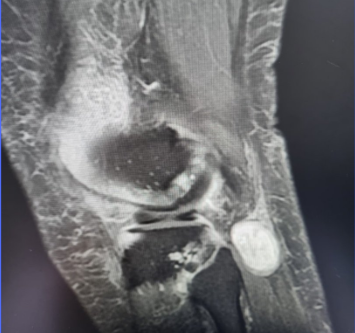
Imagem por ressonância magnética (MRI)
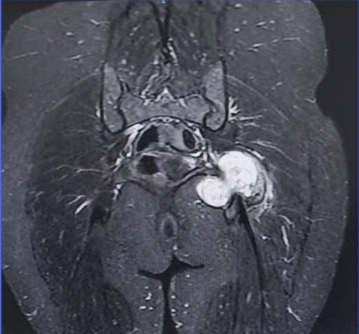
This is the examination of choice for detailing the characteristics of this type of tumor. We have partnerships with specialized radiology clinics to offer the best evaluation and surgical planning.
Including with 3 Tesla magnetic resonance imaging.
Eletroneuromiografia (EMG)
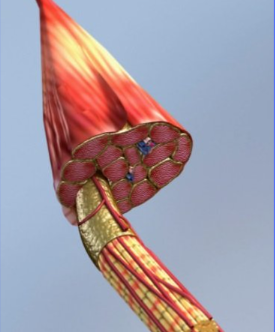
Durante o teste de eletroneuromiografia, o especialista utiliza pequenas agulhas para que um instrumento de eletromiografia possa registrar a atividade elétrica em seu músculo enquanto você tenta movê-lo, verificando possíveis danos causados ao nervo.
Ultrassonografia (USG)
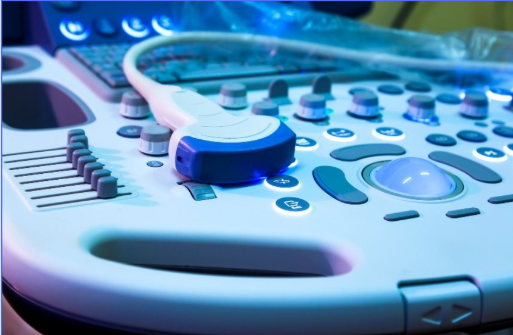
Nossa equipe conta com locais para realização de ultrassonografia com experiência nesse tipo de lesão. As vantagens do ultrassom é que o exame é rápido, indolor, de baixo custo e pode auxiliar no diagnóstico e tratamento, principalmente aos pacientes que possuem claustrofobia e dificuldade de realizar a ressonância.
Treatment for Schwannomas and peripheral nerve tumors
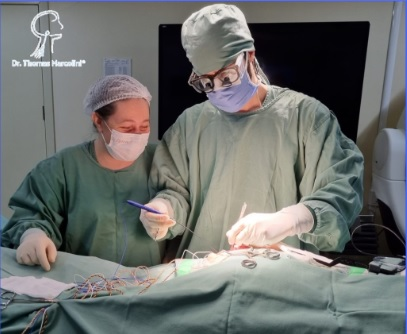
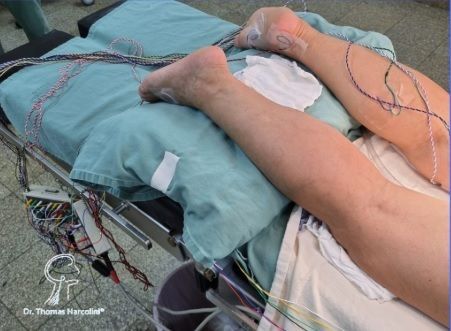
Treatment for peripheral nerve tumors is commonly performed through microsurgery for complete removal of the lesion. A neurosurgeon specializing in peripheral nerves is the professional qualified to perform microsurgical removal, preserving the motor and sensory fibers of your nerve. This is done using a magnifying glass and surgical microscope, as well as neurostimulation to identify the nerve fibers to be preserved.
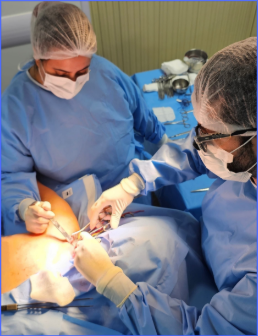
O que oferecemos na cirurgia de tumores de nervos periféricos?
To ensure precise, safe, and effective procedures, we offer high-tech equipment and highly trained professionals to perform peripheral nerve tumor surgery.
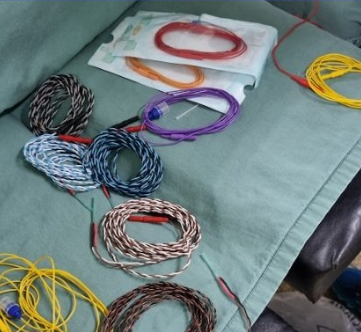
Intraoperative Neuromonitoring
Neuromonitoring, also called neurophysiological monitoring, provides real-time tracking of nerve electrical activity during the procedure.
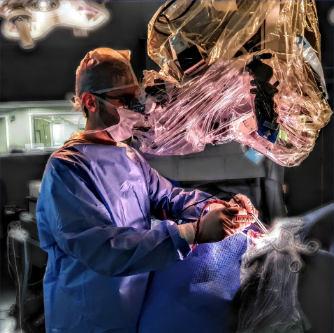
Microscópio de última geração com imagem em 3D
Com um microscópio de última geração com imagem em 3D, o especialista em cirurgias minimamente invasivas realiza o procedimento com maior precisão e agilidade.
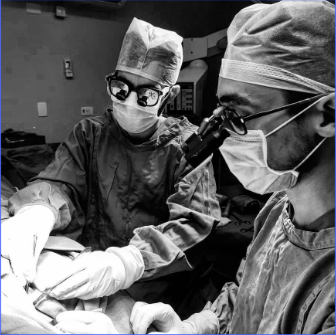
Cirurgia com uso de Lupa Microcirúrgica desde o início até o fechamento
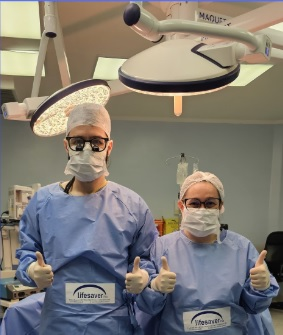
The surgery is performed with the aid of a microsurgical magnifying glass, from beginning to end of the procedure. This allows each tissue to be seen with a much greater size and detail than normal.

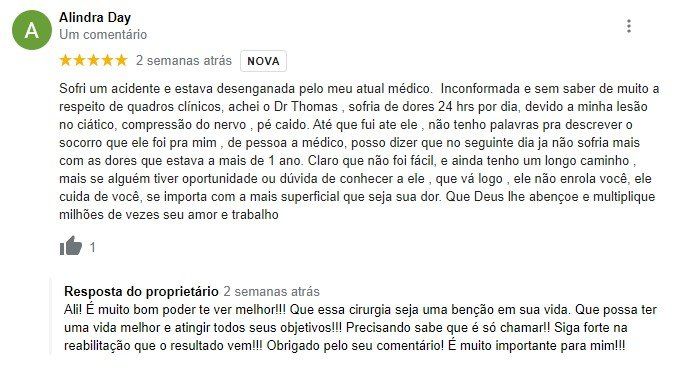
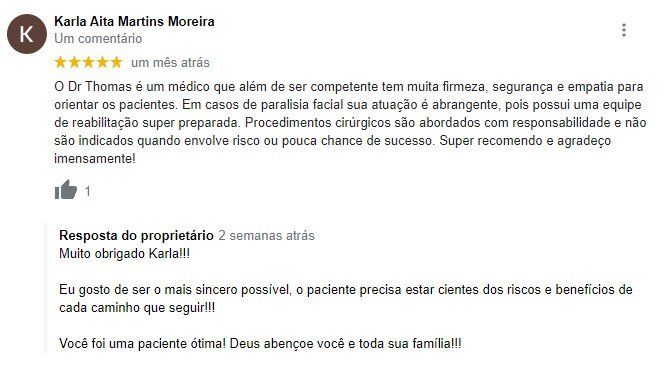
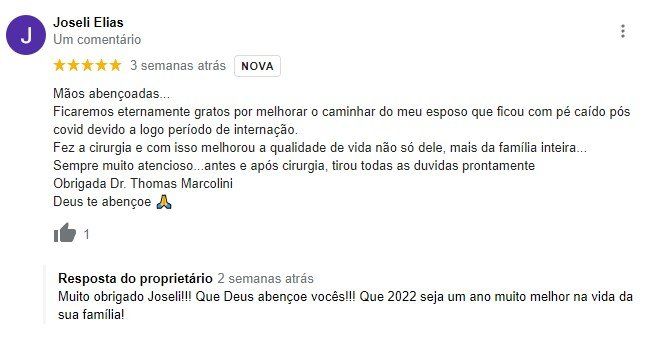
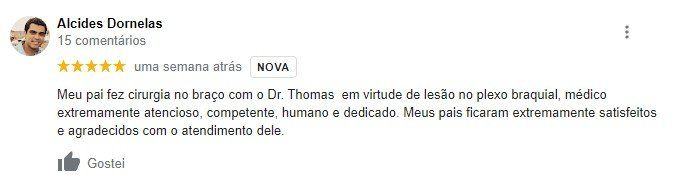
O que os pacientes dizem
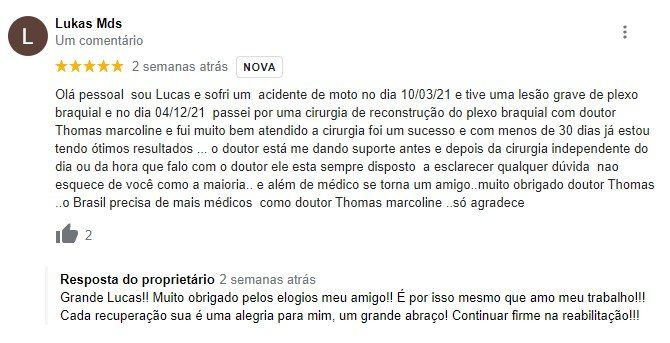
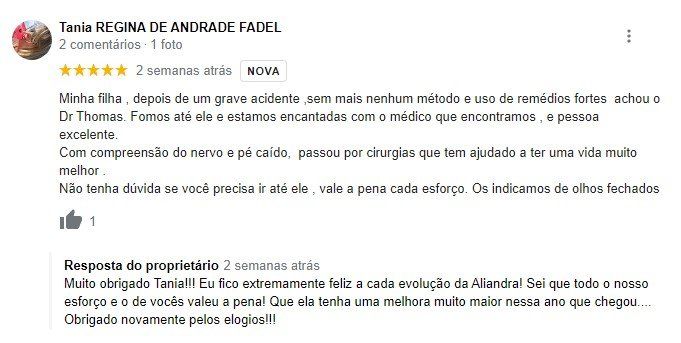
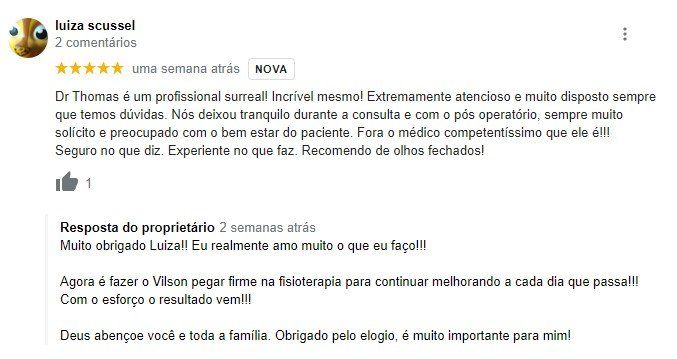
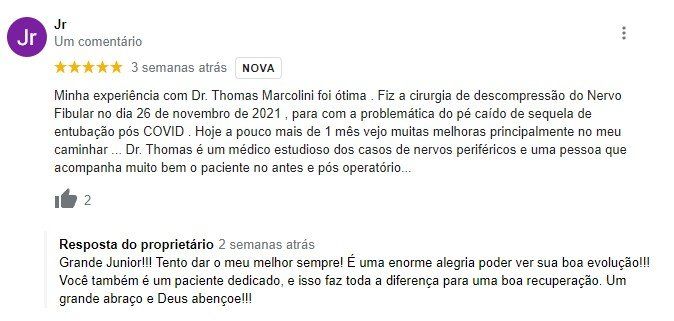
See what patients who chose Dr. Thomas Marcolini to take care of their health are saying!
Exclusive dedication to peripheral nerve pathologies.
O neurocirurgião, Dr. Thomas Marcolini possui dedicação exclusiva ao tratamento de patologias e lesões que acometem os nervos periféricos. O objetivo do especialista é proporcionar tratamento preciso e eficaz para as patologias, através de procedimentos minimamente invasivos e atendimento humanizado.
My mission is to offer the best possible care, combining technical excellence and compassion.
Dr. Thomas is currently the manager of the world's largest YouTube channel on Peripheral Nerves.
FAQs
To help you understand this process with clarity and peace of mind, I have prepared answers to the questions I hear most often about Peripheral Nerve Tumors.
1. "Doctor, is this tumor on my nerve cancerous?"
Respire fundo: na imensa maioria das vezes, a resposta é não. Tumores da bainha dos nervos periféricos, como os Schwannomas e os Neurofibromas, costumam ser tumores benignos. Eles não se espalham pelo corpo (metástase). O tratamento foca em retirar a lesão para devolver a sua qualidade de vida e tirar a dor, não em uma batalha contra o câncer.
2. What are the symptoms? How do I know if my pain is caused by the tumor?
Como o tumor cresce colado ao nervo (ou na "capa" dele), ele acaba espremendo as delicadas fibras nervosas. Você pode notar um inchaço ou caroço debaixo da pele que dói ao ser tocado. Além disso, é muito comum sentir dores que parecem choques elétricos ou queimação, formigamento, dormência e, com o tempo, até perda de força na região afetada.
3. I'm very afraid of the surgery. Will I lose mobility?
This is the number one fear, and it's completely understandable. That's precisely why this surgery isn't common and requires cutting-edge technology. We operate using state-of-the-art 3D microscopes, microsurgical loupes, and most importantly: Intraoperative Neuromonitoring.
This means we can "listen to and test" the electrical activity of your nerve in real time during the procedure. With this careful microsurgery, the main goal is to isolate and remove the tumor while completely preserving your movement and sensation.
We don't work with guesswork; the roadmap for your surgery is created even before we go to the operating room. We start with high-definition imaging exams, such as Magnetic Resonance Imaging (MRI), which details every millimeter of the lesion, and targeted Ultrasound. We also use Electroneuromyography (EMG) to measure exactly how much your nerve is already suffering from the "compression" of the tumor.
5. Why do I need a doctor who specializes only in nerves?
Operating on a peripheral nerve is like repairing the wiring of a Swiss watch: it requires millimeter precision and complete dedication. The neurosurgeon specializing in this area dedicates their routine to these complex structures, focusing on preserving the motor and sensory function of your body.